Fun Ways To Teach The Alphabet With Stories
Learning should be fun, colorful, and full of imagination. Children remember letters best when they laugh, explore, and see each letter come to life through stories and playful adventures. Teaching the alphabet doesn’t have to be boring or stressful. With the right stories, every letter can become a character, a friend, or an exciting journey. In my experience, turning letters into stories helps children connect, remember, and enjoy learning in ways they will never forget.
When I created My Alphabet Book #1, my goal was to make every letter a little adventure. From Anna the astronaut floating with her friends to Lucy the lion licking lemon lollipops, each page invites children into a world where letters are fun, memorable, and magical.
Why Stories Help Children Learn
Children love stories. They love adventure, talking animals, and silly situations. When a story includes letters, children remember them much better than by memorizing a chart. For example, in my book, Anna Alyse the astronaut has a big red apple, and she floats in space with her friends Alan the ape and Aaliyah the alligator. Children laugh, picture the scene, and remember that “A is for Anna Alyse” without even trying.
Stories also help children understand letters in context. Instead of learning a letter by itself, they see it in words, names, and fun actions. This helps them connect sounds to letters and makes learning meaningful. Children love repeating phrases, and repetition in a story helps them remember.
Make Each Letter an Adventure
One of my favorite ways to teach the alphabet is by making every letter an adventure. You can do this at home or in the classroom. Pick a letter, and let your child imagine a little story about it. You can use toys, pets, or even household items. For example, “B is for Bear baking bread in a big banana boat.” Let your child act it out, draw it, or tell the story in their own words. Suddenly, the letter B becomes more than a shape; it becomes a fun memory.
You can even let children create their own alphabet stories. Ask them to pick a letter and invent a character or an action. This encourages creativity while reinforcing letter recognition. I have seen children proudly tell their stories and remember letters for weeks!
Use Fun Voices and Sounds
When reading an alphabet story, use funny voices and sounds. Maybe the elephant “E” says “Eeeeee!” in a deep, booming voice. Or the fox “F” whispers, “Ffffun!” Children love silly voices, and it keeps them engaged. Every time you use a new sound, it reinforces the letter. Reading becomes a playful game, and children don’t even notice they are learning.
Bring Letters to Life with Props
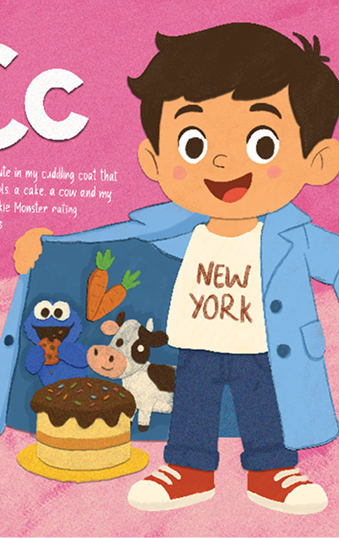
Props can make alphabet learning unforgettable. You don’t need fancy toys, just simple items around the house or classroom. You can use stuffed animals, fruit, or little objects that start with each letter. When teaching “C is for Cookie Monster eating crunchy cookies,” you could show a cookie or a small toy monster. Children see, touch, and say the letters at the same time, which makes learning multi-sensory and fun.
Turn Storytime into a Game
Games are another way to make stories work for the alphabet. You can play “Letter Hunt,” where children find objects around the room that start with a certain letter. Or “Letter Match,” where they match characters from the story to the correct letter. You can even create a story together, taking turns adding a sentence for each letter. The key is to make it interactive and full of laughter.
Repeat and Celebrate
Children learn best with repetition. Reading the same story multiple times is not boring—it is helpful! Each time you read, they notice new things, say new words, and remember letters better. Celebrate every small achievement. If your child says “D is for Dinosaur!” correctly, cheer, clap, or give a high five. Positive reinforcement makes learning letters exciting and encourages children to keep trying.
Connect Letters to Everyday Life
Another tip I love is connecting letters to everyday life. While reading or telling a story, point out letters around your home, school, or playground. “Look! There is a B on the bus. B is for Bus, just like B is for Bear in our story.” This helps children understand that letters are everywhere and learning them is useful and fun.
Encourage Imagination and Creativity
Finally, the most important part is imagination. Stories allow children to dream and explore while learning letters. When children imagine Anna Alyse floating in space or Lucy the lion licking a lemon lollipop, they remember letters because they are part of a fun adventure. Encourage them to draw pictures, act out stories, or make up their own alphabet adventures. Learning becomes joyful, memorable, and magical.
Keep the Fun Going
Teaching the alphabet with stories is one of the most effective and enjoyable ways for children to learn. Stories spark imagination, make letters memorable, and create happy learning experiences. Do give My Alphabet Book #1 a read, as it was created to make every letter an adventure, full of friends, colors, and laughter. I hope these tips inspire you to make alphabet learning playful, creative, and exciting for the children in your life. Remember, learning letters is not just about memorization; it’s about fun, imagination, and curiosity. Let every story bring a letter to life, and watch your little learners discover the joy of reading.