From Letters To Words: Building Vocabulary Early
Learning letters is just the beginning of an amazing journey. Once children recognize their ABCs, the next exciting step is helping them turn those letters into words. Words are how we share ideas, tell stories, and explore the world, and building vocabulary early makes reading, writing, and learning much easier and more fun. I have spent years teaching children and writing stories, and I want to share some of my favorite ways to help children go from letters to words in playful and memorable ways.
Why Vocabulary Matters
Children who develop a strong vocabulary early on are better readers and communicators. Every new word they learn is like a little key that unlocks understanding, imagination, and curiosity. When a child knows the word “apple,” for example, they can connect it to the letter A, a picture of an apple, and even the taste and smell of the fruit. Words become meaningful when they are part of a story, a game, or a daily experience.
Start With Letters and Stories
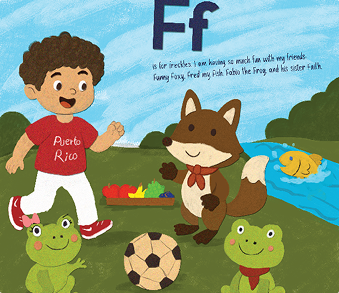
I always encourage starting with letters in a fun way. In My Alphabet Book #1, each letter comes alive with playful characters and simple stories. Children don’t just memorize “A is for Apple”—they remember Anna Alyse the astronaut floating in space with her apple and friends. When letters become part of a story, children naturally begin to recognize words and connect them to letters, actions, and emotions. This makes vocabulary stick.
Play Word Games
Games are a wonderful way to help children practice new words. You can play simple games like “I Spy,” where children find objects that start with a certain letter. Or you can make a “Word Basket,” where children pick cards with letters or pictures and try to say the word out loud. These activities are playful, interactive, and help children link letters to meaningful words.
Connect Words to Everyday Life
One of my favorite ways to build vocabulary is by connecting words to everyday experiences. Talk about the foods you eat, the animals you see, and the things you do each day. For example, “Look, a dog! D is for dog, and dog is spelled D-O-G.” Children begin to see that words are everywhere, not just on pages, and this makes learning feel useful and exciting.
Read Together Often
Reading aloud is one of the most powerful tools for building vocabulary. When I read stories to children, I pause to explain interesting words or ask questions about what is happening in the story. For example, “Lucy the lion is licking a lemon lollipop. What do you think a lollipop tastes like?” This creates curiosity and encourages children to think about words in a meaningful way. Reading together every day also introduces children to words they might not hear in daily conversation, expanding their vocabulary naturally.
Encourage Creativity With Words
Children learn best when they feel free to explore. Encourage them to create their own stories, use new words in sentences, or even draw pictures to match words. When children say “giggle,” “adventure,” or “explore,” they are practicing vocabulary while having fun. I love seeing little readers invent stories with characters from My Alphabet Book #1 or their own creations. Words become tools for imagination, not just something to memorize.
Celebrate Every Word Learned
Every new word your child learns is a small victory. Celebrate it! Clap, cheer, or let your child illustrate the word in a drawing. Positive reinforcement makes children excited to learn more and helps words stick in their memory. Children remember lessons that make them feel happy and proud.
Words Open Worlds
Turning letters into words is a magical step in a child’s learning journey. When children see letters forming words, and words forming stories, learning becomes fun, meaningful, and unforgettable. By combining stories, games, everyday experiences, and encouragement, we can help children build a strong vocabulary while keeping joy at the center of learning. Vocabulary is more than memorizing words; it’s about opening doors to imagination, communication, and confidence. Every new word your child learns is a step toward becoming a curious reader, a creative thinker, and a confident explorer of the world.
I invite you to read My Alphabet Book #1 with your children and turn every letter into a playful adventure. Together, you can explore the alphabet, discover new words, and create joyful learning moments that your little ones will never forget.